
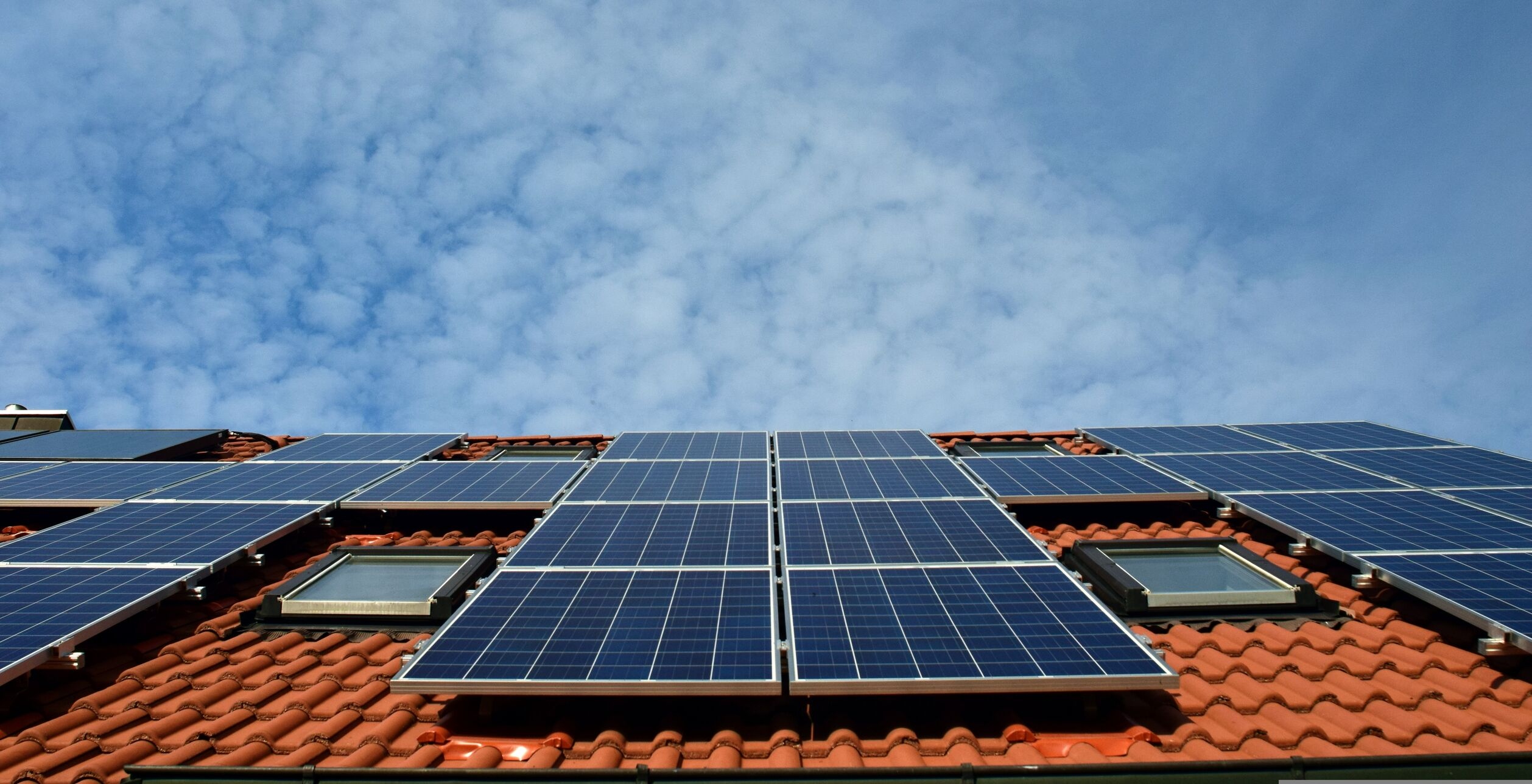
Solar panels for homes and commercial buildings in Singapore represent a significant long-term investment. As of mid-2025, the country has 1,775 MWp of installed solar capacity, with the government’s 2030 target raised to 3 GWp. A typical residential system pays back in five to seven years and generates SGD 50,000–60,000 in lifetime savings over 25 years.
But those figures assume the system performs as designed throughout its lifetime. Solar panels are engineered to last 20–25 years, not passively but with regular care. In Singapore, the tropical climate subjects every installed system to conditions that accelerate degradation faster than in most other countries. Solar panel maintenance in Singapore is not an optional add-on. It is what makes the numbers work.
This guide explains what Singapore’s climate does to solar panels, what professional maintenance involves, and why proactive servicing is the most cost-effective way to protect a solar investment over its full design life.
Understanding Singapore’s Tropical Climate Challenges for Solar Panels
Constant Humidity and Its Effects on Your Solar System
Singapore’s average relative humidity exceeds 85%, with night-time levels regularly reaching 95–100%. This sustained moisture exposure affects solar panels in several ways simultaneously.
On the panel surface, humidity promotes biological growth; algae, lichen, and mildew form a film that reduces light transmission and compounds other forms of fouling. Moisture also penetrates the aluminium mounting hardware, wiring connectors, and junction boxes, initiating corrosion in the structural and electrical components of the system.
At the panel level, the EVA (ethylene vinyl acetate) encapsulant that protects the solar cells absorbs moisture over time, causing delamination and yellowing. Once delamination begins, it permanently reduces energy output, a process that cannot be reversed, only slowed through proper maintenance. Research data indicates that humidity causes approximately 1–2% light transmission loss per 10% humidity increase above threshold. In Singapore’s conditions, this loss accumulates steadily without intervention.
Intense UV Exposure and Panel Degradation
Singapore’s UV index sits at 8–12 year-round, among the highest globally. UV radiation accelerates the degradation of anti-reflective coatings and protective backsheets that are critical to panel performance. As coatings degrade, more UV reaches the cell material directly, accelerating the degradation curve further.
Cell temperatures in Singapore regularly reach 70–90°C at peak hours. The repeated thermal cycling between these high operating temperatures and cooler overnight conditions stresses solder joints and electrical connections progressively. High-quality panels degrade at approximately 0.5% per year under standard test conditions; Singapore’s UV intensity and thermal cycling push real-world performance toward the upper end of manufacturer degradation curves.
Heavy Rainfall, Storms, and Waterproofing Risk
Annual rainfall of approximately 2,165 mm means panels and mounting systems face prolonged wet exposure throughout the year. Monsoon storms introduce additional risks: wind-driven debris causes micro-cracks in panel glass that are invisible to the naked eye but expand under repeated thermal cycling, eventually becoming cell failures.
A common misconception is that heavy rain cleans solar panels. It does not. After rainfall, mineral deposits and organic material settle on cooled panel surfaces as the water evaporates. In Singapore’s conditions, this mineral film bonds to the glass and requires proper cleaning, not another rainfall, to remove.
Storm events also carry the risk of dislodging mounting hardware and compromising the roof seals at penetration points. A single compromised seal that is not identified during a routine inspection can cause water ingress that damages both the roof structure and the electrical components of the PV system below.
Haze and Urban Pollution
During haze events, when PSI levels exceed 100, fine PM2.5 particles settle directly onto panel surfaces. The 2013 Singapore haze event caused 15–25% output loss across monitored PV systems during the affected period. The problem compounds because Singapore’s humidity bonds these particles to the glass surface, making them resistant to light rainfall and requiring professional cleaning to clear effectively.
Outside haze periods, urban pollution exhaust particulates from traffic and construction dust create a persistent coating that reduces sunlight absorption. In Singapore’s dense urban environment, the panels in most installed locations are subject to some level of continuous particulate deposition. Each layer individually may reduce output by only a fraction of a per cent; cumulatively, the effect is significant.
Bird Droppings and Organic Debris
Singapore’s urban bird population, mynahs, pigeons, and crows, produces droppings that cause localised shading. A single bird dropping over a solar cell can reduce the output of an entire string by more than 50% because the shaded cell restricts current flow through the whole series circuit.
Under Singapore’s UV intensity, bird droppings bake onto the glass surface within hours. If not removed promptly, they cause permanent surface staining and micro-etching of the anti-reflective coating. They also generate hot spots in cells that overheat due to localised shading, which stresses the cell material and initiates long-term performance degradation.
Fallen leaves and seed pods from surrounding trees accumulate at panel edges and mounting gaps, retaining moisture, accelerating mould growth, and creating nesting material that attracts further bird activity. Organic debris clearance is part of every professional cleaning visit.
How Neglected Panel Maintenance Reduces Solar Efficiency
The Financial Impact of the Efficiency Loss on Your Solar Panels
A typical 5 kWp residential system in Singapore generates approximately 550–600 kWh per month under well-maintained conditions. Dirty panels in Singapore’s climate cause 15–25% energy loss, the equivalent of SGD 850–2,550 per year in reduced savings on an average system, based on current electricity tariffs.
Even a 5% drop in solar panel efficiency, often invisible without a monitoring review, compounds across a 25-year system life. The cumulative impact on total lifetime returns is substantial and often exceeds the entire cost of the maintenance programme that would have prevented it.
How Small System Faults Escalate into Costly Repairs
Micro-cracks in panel cells go undetected without thermal imaging inspection. Left untreated, they propagate into full cell failures that reduce string output permanently. Corroded wiring connections that would be identified and tightened in a routine electrical check can develop into arc faults, a leading cause of rooftop solar fires in residential PV systems.
A blocked roof drain, missed during a maintenance visit, causes ponding that undermines the flat roof waterproofing and the mounting system simultaneously. Inverter inefficiencies that monitoring would flag at an early, repairable stage become full hardware replacements if left unaddressed.
A Realistic Output Scenario
A 5 kWp system with no maintenance in Singapore’s climate will, by Year 3, produce output estimated at 15–20% below its projected baseline, with degradation accelerating thereafter as accumulated fouling, micro-damage, and component wear compound.
The same system maintained annually by professionals will remain within 5% of its projected baseline at Year 5, with full warranty coverage intact and documented evidence of performance across the maintenance period. The annual maintenance cost of SGD 600–1,200 is recovered within the first year through the output it preserves.
What Professional Solar Panel Maintenance Includes
Solar Panel Cleaning: Safe Removal of Surface Contaminants
Professional solar panel cleaning in Singapore uses deionised or purified water to prevent mineral deposits from leaving a residue on the glass after drying. Soft brush systems and low-pressure rinse remove the surface layer of fouling without scratching the anti-reflective coating, which would accelerate UV degradation and create permanent losses.
Baked-on bird droppings require specialised treatment: pH-neutral degreasers that dissolve the organic material without etching the glass. High-pressure washing is not appropriate for solar panel cleaning, as it forces water into panel edge seals and risks delamination of the protective layers. The cleaning process also includes clearing debris from panel edges and mounting gaps and documenting any surface damage for the maintenance record.
System Performance Checks and Monitoring Systems Review
Inverter inspection covers error codes, overheating indicators, loose DC and AC connections, and fan operation. String voltage and current checks identify underperforming strings, the diagnostic signature of cell damage, shading, or connection faults. This level of check requires trained personnel and proper test equipment; it cannot be approximated by visual inspection alone.
Monitoring systems review compares current output against historical baselines and manufacturer projections, flagging anomalies that indicate developing faults. The written performance report produced after each service visit creates the documented maintenance history required by manufacturers to process warranty claims.
Structural and Waterproofing Inspection
Mounting hardware is inspected for rail-to-roof attachment integrity, clamp tightness, and anti-corrosion coating condition across all metal components. Roof penetration points are checked for seal integrity; early-stage waterproofing failure is identified before it becomes active water ingress.
On flat roofs, drain clearance is confirmed at every maintenance visit. Debris accumulation at drain points since the previous inspection is cleared, and any drainage patterns that suggest developing ponding risk are flagged for follow-up. Structural concerns beyond the maintenance team’s scope are referred for a dedicated roofing assessment.
Electrical Safety Checks
Wiring harness inspection covers insulation condition, UV degradation along all cable runs, and any evidence of rodent damage at accessible points. MC4 connector tightening addresses one of the primary sources of arc faults in residential solar panel systems, loose connectors that develop resistance heating under load.
Earth bonding verification confirms the system remains properly earthed, as required under SS 638 and SS 626, Singapore’s applicable standards for PV electrical installations. The inspection concludes with a fire risk assessment: documenting any hotspots, discolouration, or signs of overheating at junction boxes and inverter terminals that require remedial action before the next service cycle.
Protecting Your Solar Panel Warranty and Extending System Lifespan
Why Manufacturers Require Documented Maintenance
Most solar panel manufacturers include a documented annual maintenance requirement as a condition of their 25-year performance warranty. A warranty that guarantees 90% rated output at Year 10 and 80% at Year 25 is only enforceable if the owner can demonstrate the system was maintained according to the manufacturer’s schedule.
Professional service visits produce the written records that make this possible: cleaning performed, components checked, output readings logged with dates. Without this documentation, a warranty claim for premature performance degradation, however legitimate, will be declined because the maintenance obligation was not met.
How Regular Servicing Extends System Life Beyond 25 Years
Corrosion identified and treated in its early stages remains a surface issue. Left unaddressed, it propagates through structural components and into wiring, shortening the effective life of the system and creating safety risks that require emergency intervention. Inverters maintained to the manufacturer’s specification consistently outlast those that receive attention only when a fault appears.
A well-maintained PV system in Singapore can realistically perform at 85%+ of rated output at Year 20. A neglected one may fall below 70% by the same point, a difference that, across the remaining system life, represents a material loss in energy production and financial return.
Solar Panel Maintenance as ROI Protection
Consistent Energy Output Preserves the Original Investment Case
The financial return from a solar investment is built on projected energy output across 20–25 years. Every percentage point of efficiency loss reduces savings and extends the payback period. Annual professional maintenance SGD 600–1,200 preserves output that would otherwise reduce by 15–25%, producing a clear return on the maintenance spend within the first year of the programme.
Properties with complete, documented maintenance histories also carry demonstrable value for buyers and commercial tenants. A solar system with records is an asset; one without records is a liability of unknown condition.
Avoiding Premature Panel Replacement
Panel replacement in Singapore typically costs SGD 500–1,200 per panel, including labour, a cost that is almost entirely avoidable with routine professional care. Inverter replacement, at SGD 2,000–5,000, is far more likely without regular inspection; most inverter failures present early warning signs that servicing and monitoring would catch at the intervention stage rather than the replacement stage.
The cost of a single emergency repair, a leak from failed mounting seals, or an arc fault from corroded wiring typically exceeds the cost of three to five years of preventive maintenance. Most solar-related rooftop incidents are traceable to deferred maintenance.
Why Professional Solar Panel Servicing Is the Safer Option
The Risks of Working at Heights Without Proper Access
Solar panels on residential rooftops in Singapore are typically 3–6 metres above ground heights that require proper access equipment and fall arrest systems under MOM Workplace Safety and Health guidelines. Attempting solar panel maintenance in Singapore, homeowners could manage themselves with household equipment, causing more damage than the fouling being addressed: scratched glass from abrasive tools, dislodged connectors from improper handling, and water forced into edge seals from domestic pressure washers.
Professional maintenance teams carry full liability insurance and operate under the safety protocols required for working at heights on live electrical systems. They also carry the correct equipment for safe access to pitched and flat roofs without placing weight on panel surfaces.
Proper Diagnostic Tools and Compliance
Thermal imaging cameras identify hotspots invisible to the naked eye. IV curve tracers measure actual panel output against expected performance curves, a diagnostic step that reveals developing cell faults before they become visible performance losses. Neither instrument is available through DIY maintenance, and neither can be replicated by visual inspection or basic monitoring data alone.
SS 638 and SS 626 compliance require that electrical inspections on PV installations be carried out by qualified personnel. EMA requirements for grid-connected solar panel systems also mandate that ongoing inspections and fault rectification are performed to applicable standards. Professional solar panel maintenance in Singapore meets these requirements by default; self-servicing does not.
Recommended Solar Panel Maintenance Frequency in Singapore
Standard Residential Maintenance Schedule
For most residential locations in Singapore, cleaning every six months is the recommended baseline. This interval aligns with the two monsoon seasons, clearing the accumulated fouling deposited during the northeast monsoon (November–January) and the southwest monsoon (May–September) before it bonds further or causes biological growth.
Full system inspection covering electrical safety, structural hardware, and roof waterproofing is recommended annually. The most practical scheduling is immediately after the northeast monsoon, when systems have been through the most demanding rainfall period of the year and before the dry season begins.
When More Frequent Servicing Is Needed
Coastal locations within 1–2 km of the sea require monthly or quarterly cleaning. Salt-air deposition accelerates corrosion of mounting hardware and wiring connectors at a rate that six-monthly cleaning cannot manage. Properties adjacent to active construction sites or heavy traffic should schedule quarterly cleaning during high-dust periods.
Systems near trees with active bird activity benefit from quarterly inspection and cleaning. After any confirmed haze event with PSI above 100, a targeted clean should be scheduled within two to four weeks before the deposited PM2.5 layer bonds permanently to panel surfaces under Singapore’s UV conditions.
Safeguard Your Solar Investment for the Long Term
Solar panels are built to perform for 20–25 years. In Singapore’s tropical climate with its sustained humidity, intense UV, heavy rainfall, periodic haze, and biological fouling, performance does not happen without active maintenance. Every mechanism that degrades a solar system operates faster here than in temperate countries, and every mechanism that maintenance addresses directly preserves the efficiency, warranty, and financial return the system was installed to deliver.
Solar panel maintenance in Singapore is not a cost against your investment. It is what makes the investment work. Proactive servicing preserves energy production, prevents premature component failure, maintains warranty validity, and ensures the system remains safe and compliant throughout its operational life.
Before the next monsoon season, schedule a professional inspection and clean with MVM. Our team covers every aspect of solar panel maintenance for residential and commercial systems across Singapore, including cleaning, structural checks, electrical safety, and performance monitoring, giving you the documented proof that your solar panels for home or business are protected and performing as designed.
Contact MVM today to book your solar panel maintenance assessment.