
Singapore’s roofs face a relentless combination of forces that few other climates match. A UV index of 8 to 12 year-round bakes roofing materials and degrades protective coatings. Humidity between 82% and 87% penetrates joints, accelerates corrosion, and sustains the conditions for mould growth throughout the year. Annual rainfall of over 2,100 mm falling across roughly 178 rain days tests every waterproofing seal and drainage point repeatedly. In between the two monsoon seasons, sudden inter-monsoon thunderstorms arrive with little warning, depositing heavy rain in a matter of hours.
In this environment, roofing defects do not stay small. A hairline crack in a tile, a section of deteriorating flashing, or a blocked downpipe progresses silently until the next downpour exposes it as a costly problem. A professional roof inspection in Singapore at least once a year is not reactive maintenance it is the mechanism that keeps manageable issues from becoming structural emergencies.
This checklist covers everything a thorough annual inspection should address, along with guidance on what homeowners can monitor themselves and when to call in a roofing specialist.
How Singapore’s Climate Impacts Your Roof
UV exposure
At index levels of 8 to 12, consistently one of the highest in the world, cause the gradual breakdown of waterproofing membranes, reduce the elasticity of sealants, and degrade protective coatings on metal roofing faster than in cooler climates. Materials rated to last 20 years elsewhere may show signs of wear in under 15 years without proper maintenance.
Frequent downpours
Stress waterproofing systems in a way that intermittent rain does not. Each monsoon downpour drives water against every joint, flashing seal, and roof penetration simultaneously. Flat roof membranes undergo repeated wetting and drying cycles that accelerate surface crazing and edge lifting.
Humidity
At 82–87%, year-round means Singapore’s roofs are never truly dry. Sustained elevated moisture penetrates capillary pores in concrete, accelerates oxidation in metal fasteners and flashing, and maintains the conditions for mould growth continuously. Singapore’s humidity never drops below the 60% threshold above which mould spores remain active.
Expansion and contraction
Daily temperature cycling causes tile materials and metal panels to move repeatedly. Over the years, fasteners loosen, micro-cracks widen, and flashing seals lose adhesion – incremental damage that a roof inspection catches before it compounds.
Annual Roof Inspection Checklist
A thorough annual inspection covers five areas. Homeowners can observe some of these from ground level or the ceiling below; others require professional access and assessment tools.
Roof Surface Condition: Signs of Wear and Damage to Roofing Materials
Tiles (clay or concrete)
Check for cracked, chipped, or missing tiles. Even hairline cracks allow water beneath the surface during monsoon downpours, where it saturates the underlayment and reaches the roof deck. Look for tiles that are misaligned or sitting proud of the surface; this indicates that fixings have failed or battens have shifted. Concrete tiles carry a design life of 30–50 years; clay tiles 40–60 years. Both reach these lifespans only with consistent maintenance in Singapore’s climate.
Metal roofing
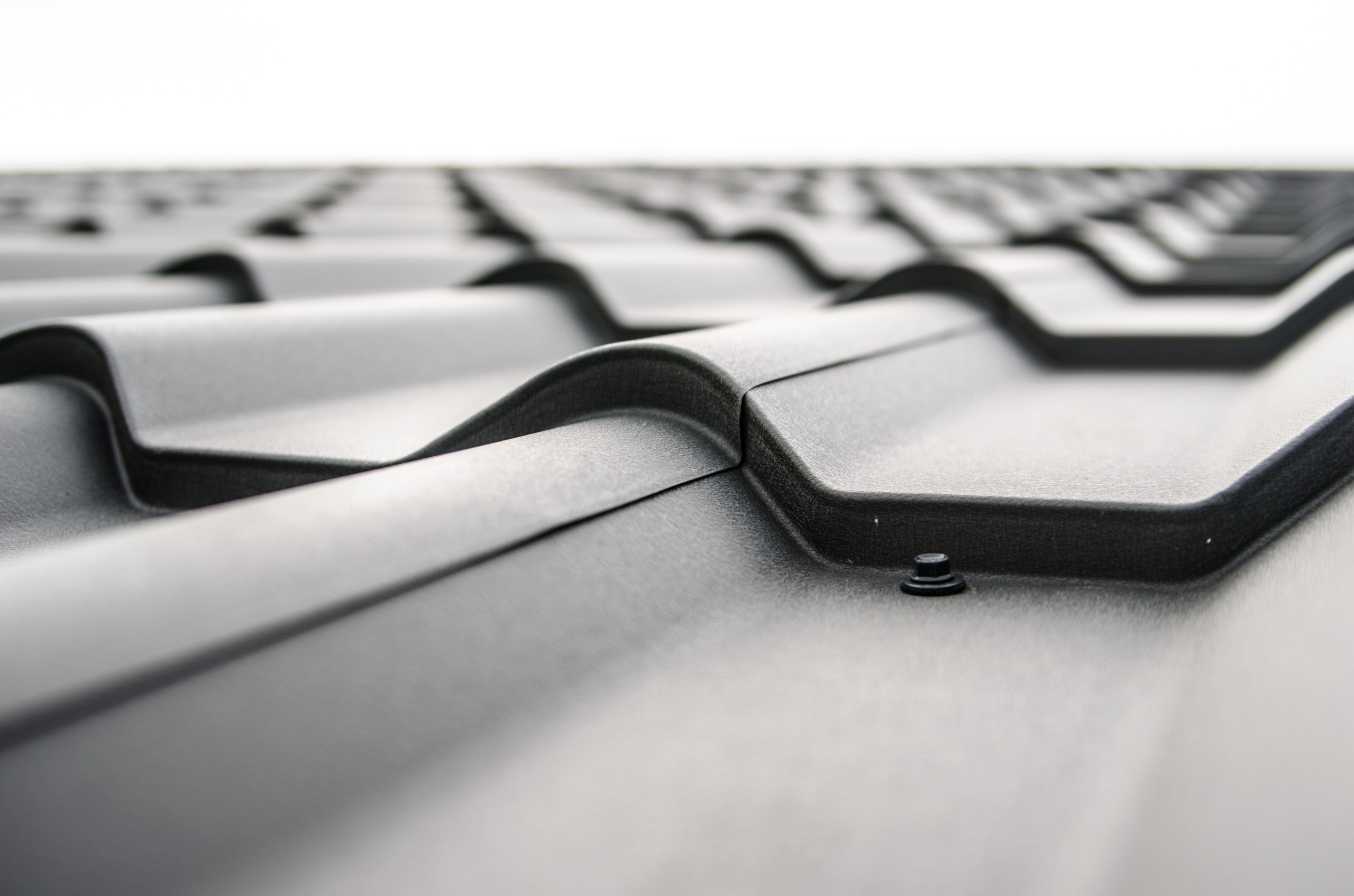
Inspect for rust spots at seams and around fastener heads, where moisture accumulates, and corrosion begins earliest. Examine the rubber washers on fasteners; they dry out, harden, and crack in tropical heat, and a failed washer allows water entry through every screw point on the panel. Look for panel separation or movement along edges.
Flat roof waterproofing membranes
Check for blistering (raised pockets of trapped air or water beneath the membrane), linear or spider-web cracking patterns, and lifting at edges, seams, and joints. Any ponding water that remains on the flat roof surface for more than 48 hours indicates a drainage failure that requires immediate attention.
Metal Components and Fasteners Roof Repair and Maintenance Checks
Corrosion in metal components is a silent threat to Singapore’s roofs. Inspect all exposed metal fasteners, brackets, gutters, and flashings for rust bloom (a thin surface film of rust), white powdering (aluminium oxide), or surface pitting. These are early-stage signs that repair and replacement are approaching.
Check all sealants around fastener joints and metal-to-surface connections. In Singapore’s climate, sealant around roof fixings should be re-inspected annually. Neutral-cure silicone is the appropriate material; acetic acid-based sealants react with steel and accelerate the corrosion they are meant to prevent. Where sealant is cracking, shrinking, or has separated from the substrate, resealing before the monsoon season is straightforward and inexpensive compared to the water ingress that follows if it is left.
Look for signs of galvanic corrosion where dissimilar metals are in contact, visible as accelerated pitting or white powdering at the contact point.
Flashing and Waterproofing Integrity Checking for Signs of Water Leakage
Flashing failure accounts for approximately 70% of roof leaks. Flashing is the thin metal or membrane strip installed at every junction where a roof surface meets a vertical element, such as chimneys, vent pipes, skylights, parapet walls, roof-to-wall junctions, and perimeter edges. These are the points where water leakage begins when maintenance lapses.
Check each flashing location for visible gaps or separation between the flashing and the adjacent surface; corrosion or rust on metal flashing strips; cracked or missing sealant along edges; and lifted or missing counter-flashing above chimney and parapet intersections.
For waterproofing membranes on flat roofs, note the approximate age and system type. Torch-on membranes (APP or SBS polymer-modified bitumen) carry a lifespan of 15–20 years in tropical conditions. Liquid-applied systems last 15–25 years. EPDM rubber membranes can last 30–50 years when properly installed and maintained. Assess the visible membrane condition against its expected lifespan, surface crazing, pinholes, or edge lifting. A membrane approaching the end of its design life warrants professional assessment from a waterproofing contractor of its remaining performance.
Drainage System Gutters and Downpipe Checks
Singapore’s year-round vegetation and frequent rainfall mean debris accumulates in gutters and roof drains faster than in most other countries. Leaves, seed pods, moss, and algae build up quickly, and gutters on properties with mature trees surrounding them can be blocked within weeks during monsoon season.
Inspect gutters along their full length for debris accumulation and visible blockages. Confirm that gutters maintain a visible slope toward downpipes. A minimum fall of 1:100 is required for water to drain rather than pool. Standing water in gutters adds weight, promotes corrosion, and overflows onto roof surfaces and walls.
At the downpipes, confirm water exits cleanly and away from the building foundation. Blocked downpipes cause water to back up into the gutter and overflow onto the roof, saturating roofing materials and finding any available entry point. For flat roofs with internal roof drains, confirm these are clear and unobstructed. Ponding water on a flat roof lasting beyond 48 hours is not a cosmetic issue; it accelerates membrane deterioration and places structural load on the slab.
Interior Ceiling and Attic Signs of Roof Leaks and Water Damage
The interior of the property often provides the first visible evidence of a roof problem, but by the time it is visible, damage is already underway above the ceiling.
Inspect ceiling surfaces for brown or yellow staining, which indicates water penetration. Note that stain locations may not correspond to the entry point where water travels along roof timbers and ceiling joists before dripping through, sometimes appearing several metres from the actual breach. Damp or soft patches on ceiling boards indicate active or recent moisture intrusion. Bubbling or peeling paint points to moisture trapped beneath the surface from above. A musty smell in rooms below the roof signals mould or mildew established in the ceiling cavity; in Singapore’s humidity, mould can begin forming within 24–48 hours of moisture exposure and remains invisible until it is well established.
Any sagging ceiling panel requires immediate professional attention if it is holding water above it.
Regular annual roof maintenance in Singapore means these interior signs are caught at the earliest stage, before hidden mould, saturated insulation, and compromised structural elements add significantly to the cost of remediation.
Why Annual Roof Inspections Save Money on Roof Repair
A small leak repair typically costs SGD 250–500. Left undetected, that same leak can result in water damage restoration costing SGD 5,000 or more once mould remediation, ceiling replacement, and damaged fittings are accounted for. A missing tile costs around SGD 150 to rectify; the water damage project it prevents can reach SGD 15,000. Industry data shows that every SGD 1 spent on preventive maintenance saves SGD 4 in repair costs.
Beyond individual repairs, consistent maintenance extends the life of your roof to its full design life. A torch-on membrane maintained correctly reaches 15–20 years; a neglected one may fail in under 10. A tiled roof with annual checks sustains its 30–50 year lifespan; one left without attention can require full replacement in half that time.
Scheduling a professional roof inspection service in Singapore each year is the most cost-effective single action a homeowner can take to protect the value of their property and avoid unplanned expenditure.
DIY Checks vs. Professional Roof Inspection
What homeowners can safely observe
- Ground-level visual inspection: missing or visibly cracked tiles, rust patches on metal roofing, sagging gutters, visible gaps in flashing from below
- Interior ceiling: staining, damp patches, bubbling paint, and musty smells
- Gutter eave level from a ladder on firm, level ground: visible debris and blockages
- Photographing visible damage for reference and insurance documentation
These observations are useful starting points. A homeowner who monitors these areas regularly will notice changes: a new ceiling stain, a tile that was intact last season, and a gutter that no longer drains cleanly, all valuable information for the roofing contractor carrying out the professional inspection.
What only a professional roof inspection detects
Professional roofing specialists use moisture meters to measure moisture content inside roofing materials and structural elements that are entirely invisible to visual inspection. Thermal imaging identifies hidden moisture retention, insulation failures, and early membrane deterioration long before surface signs appear. A qualified roofing contractor can accurately trace a leak to its true point of entry, not just where water drips through, and assess the structural integrity of the roof from above.
Safety note: DIY roof access in Singapore carries significant risks. Algae and moss growth on roof surfaces in high humidity makes them slippery year-round. Singapore’s afternoon thunderstorms can develop within minutes, making the safe access window unpredictable. Without proper fall protection and anchoring, roof access is a serious injury risk. Professional roofing services work with appropriate equipment and safety protocols.
When to Schedule Your Annual Roof Inspection
Before the monsoon season
The optimal window for a scheduled inspection is October or November, before the Northeast Monsoon begins in December. This allows any identified repairs to be completed while conditions are drier, so your roof enters the heaviest rain period of the year in the best possible condition. February to April is also a good window in Singapore’s driest period.
After major storms
Any significant storm event should prompt an inspection within 24–48 hours. Wind can dislodge tiles and lift flashing without it being visible from the ground. Damage found and repaired within days of a storm prevents the water ingress, mould, and structural deterioration that follow if it is left until the next scheduled check.
At a minimum, once a year
For roofs under ten years old, an annual inspection maintains awareness of the condition and catches issues early. For roofs over ten years old, annual inspection is the minimum; roofs in coastal areas or with prior repair history benefit from twice-yearly checks. Roofs over 20 years old should be inspected every six months.
Proactive Roof Care: The Smartest Investment for Your Home
Singapore’s climate does not pause between monsoon seasons. UV exposure, humidity, and thermal stress work on your roof’s materials continuously, and the defects they cause are invisible until rain reveals them.
An annual roof inspection in Singapore is the single most effective action a homeowner can take to protect their property from unplanned repair costs, structural damage, and the health risks that mould brings in a tropical climate. Every inspection that finds an SGD 200 repair is preventing a SGD 5,000 problem. Every maintenance check that extends the life of your roof is protecting the investment your property represents.
Schedule a professional roof inspection with MVM before the next monsoon season. Our experienced team of roof specialists will identify what your roof has been hiding, provide a clear scope of any repair and maintenance required, and give you complete confidence that your roof is prepared for whatever Singapore’s climate brings next.
For expert roof repair services and inspection, contact MVM today.