
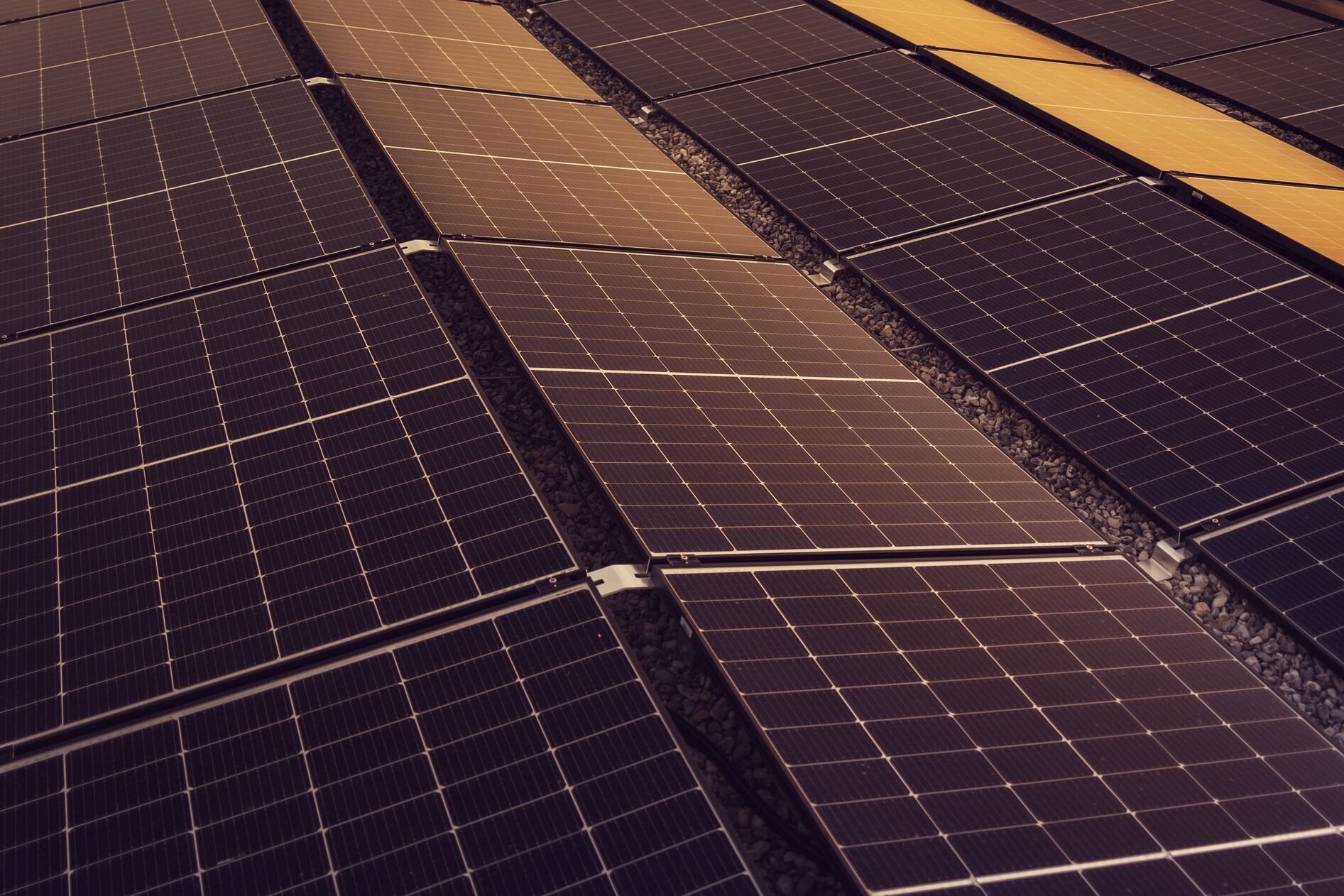
Solar adoption in Singapore is accelerating. As of mid-2025, the country had 1,775 MWp of installed solar capacity, and the government has raised its 2030 target to 3 GWp. The SolarNova programme continues to expand across HDB estates, and more landed homeowners are investing in solar energy. The financial case is compelling: a typical system pays back in five to seven years, with 25-year lifetime savings of SGD 50,000–60,000.
But solar panels last 25–30 years. The roof underneath must last equally long. Installing solar on a roof that has not been properly assessed leads to leaks at mounting points, expensive panel removal for repairs, and costs that erode the original savings. This step-by-step guide covers everything homeowners need to check before committing to solar panel installation in Singapore.
Step 1: Check Your Roof’s Current Condition Before Solar Panel Installation
Is Your Roof Nearing the End of Its Lifespan?
The industry standard is clear: your roof should have at least 10 years of remaining serviceable life before solar is installed. Metal and tile roofs in Singapore often outlast a solar system entirely. The greater concern is aged flat roof waterproofing membranes, which have a defined service life and can deteriorate faster under Singapore’s UV and humidity. If your roof will need major work within the next five to ten years, address it first; panel removal and reinstallation after the fact is significantly more expensive.
Signs That Indicate Repair Is Needed First
Check for cracked, missing, or loose tiles; rust or corroded fasteners; brown stains or damp patches on interior ceilings; mould growth or musty smells; and waterproofing membrane crazing or pooling on flat roofs. Any of these indicates the roof is not solar-ready.
Why Installing Solar on a Damaged Roof Increases Long-Term Costs
Once panels are installed, any roof repair requires full panel removal. Some warranties are also voided if panels are removed and reinstalled by a different contractor. Repairing the roof first is always the more cost-effective path.
Step 2: Assess Roof Material Compatibility for Your Solar System
Metal Roofs
Metal roofing is the preferred base for solar in Singapore. Standing seam metal roofs support non-penetrating clamp systems that grip the vertical rib without any drilling, eliminating waterproofing risk and preserving the roof warranty. Metal roof solar-compatible mounting hardware is widely available, well-proven, and well-suited to Singapore’s climate. With a lifespan of 30–50 years, a metal roof is a natural long-term pairing with a 25-year solar system.
Tile Roofs
Clay and concrete tile roofs require more care. Mounting into the structural joists beneath involves specialist tile hooks or temporary tile removal, both of which risk cracking fragile or aged tiles. Every penetration requires proper flashing and sealing. Tile roofs older than 15 years should undergo a structural assessment before installation proceeds.
Flat Roofs
Ballasted systems, with weighted frames that hold panels without drilling, are the preferred option for flat roofs, as they preserve the waterproofing membrane entirely. Where penetrating systems are used, each anchor point requires sealed flashings. Panel layout must be planned around existing roof drains; blocking drainage points causes ponding, which accelerates membrane deterioration and risks structural overload.
Step 3: Evaluate Your Roof’s Structural Load Capacity
Solar Panels Add Extra Weight to Your Roof
A complete solar array with mounting adds approximately 15–25 kg per square metre. Most post-1970 buildings handle this comfortably, but load capacity should be confirmed rather than assumed, particularly for older structures or roofs showing signs of stress.
When Older Buildings May Require Structural Reinforcement
Buildings constructed before 1970, roofs with timber rot, and flat roofs with active ponding may require reinforcement before installation. The BCA may also require a Qualified Person (QP) to certify structural calculations for rooftop solar installations exceeding certain size or height thresholds.
Wind Uplift Considerations During Heavy Storms
Wind uplift, the upward force generated by wind passing over tilted panels, is the primary cause of mounting system failure when underdesigned. Singapore’s monsoon storms generate significant uplift forces. Mounting systems must be engineered for both vertical uplift and lateral wind pressure; this requires a structural assessment before installation begins.
Step 4: Optimise Roof Angle and Orientation for Solar Energy
Ideal Tilt Angles for Maximum Sun Exposure in Singapore
Singapore’s latitude of ~1.3°N means the sun is nearly overhead year-round. The recommended panel tilt is 10–15 degrees, shallow enough to suit Singapore’s solar altitude and steep enough to allow rainwater and debris to clear the panel surface without manual intervention.
South-Facing Advantages and East-West Solar Panel Alternatives
South-facing roofs deliver the most consistent daily output. East- or west-facing panels yield approximately 10–20% less annually but remain viable given Singapore’s high irradiance. East-west split systems equal panels on each side connected to a single inverter generate over 98% of the output of a dual-inverter setup and are a cost-effective option for roofs without a clear south exposure.
How Shading from Nearby Buildings Affects Your Solar Output
Partial shading of one panel in a string reduces output for the entire string. In Singapore’s dense urban environment, shading from HDB blocks, commercial buildings, and trees must be mapped across full daily sun angles before panel placement is finalised. Microinverters or DC power optimisers per panel isolate shading impact to individual units rather than the whole system.
Step 5: Protecting Waterproofing and Drainage During the Installation
Ensuring Mounting Points Are Properly Sealed
Every roof penetration is a potential water entry point in Singapore’s rainfall conditions. For tile and flat roofs, a triple-layer approach is standard: butyl tape under the mount, metal flashing around the penetration, and UV-resistant sealant over the completed installation. All seals must be rated for sustained UV exposure and high humidity.
Protecting Waterproofing Membranes on Flat Roofs
Ballasted mounting systems eliminate membrane penetration. Where penetrating systems are used, pre-formed flashings compatible with the existing membrane material (TPO, PVC, or modified bitumen) create the watertight seal. Panel layout must not block drains or the natural low points where water collects.
Integrating Solar with Roof Maintenance Planning
Once solar is installed, annual inspection of mounting seals and waterproofing is recommended. Any future roof repair will require temporary panel removal. Factor this into long-term maintenance planning and ensure your roofing contractor and solar provider both understand the requirements of the combined system.
When to Repair or Replace Your Roof Before Installing Solar Panels
If Your Roof’s Remaining Lifespan Is Less Than 10 Years
A 25-year solar system installed on a roof with fewer than 10 years of remaining life is a poor investment. Flat roof waterproofing replacement in Singapore typically costs SGD 8,000–30,000. The additional cost of removing and reinstalling solar panels on top of that repair makes the case for re-roofing first unambiguous.
If Waterproofing Shows Signs of Failure
Active leaks, damp ceiling patches, membrane crazing, or corroded flashing indicate a waterproofing system that is already failing. These defects will not improve under the additional stress and penetrations of solar installation. Repair the waterproofing first.
If Corrosion or Structural Weakness Is Detected
Rust on metal components, rot in structural timber, or unexplained sagging indicate a roof that is not ready to carry additional load and wind uplift forces. A structurally sound roof is the foundation of a productive solar power system. Treating the roof repair as the first stage of your solar investment, not an obstacle to it, is the correct approach.
Why Professional Roof and Solar Assessment Matters Before the Installation
Roofing and Solar Systems Must Work Together
A solar installer assesses orientation, shading, and electrical routing. A roofing specialist assesses structural integrity, waterproofing, and drainage. Working independently, each may miss risks that fall in the other’s area. A coordinated assessment produces a complete picture before materials are ordered or commitments made.
Identifying Hidden Risks Before Installation
Professional inspection identifies what is invisible from ground level: hidden dry rot beneath surface materials, corroded flashing, load path weaknesses at specific attachment points, and the presence of asbestos in older roofing, a serious hazard if disturbed during drilling. A Qualified Person may also be required by BCA to certify structural calculations for rooftop solar PV installations meeting certain thresholds.
Coordinated Inspection Between Roofing Contractor and Solar Provider
A single coordinated site visit reduces cost and eliminates scheduling conflicts. It ensures the proposed mounting method is compatible with the actual roof condition. It also aligns the waterproofing and maintenance strategy and confirms permitting requirements, giving you confidence that the solar installation and roof will work together for the full system lifetime.
Prepare Your Roof for Long-Term Solar Success
A solar roof in Singapore reduces energy costs, lowers your carbon footprint, and supports Singapore’s renewable energy targets. But its performance over 25 years depends on the condition and suitability of the roof beneath it.
The five steps above, condition check, material compatibility, structural load, orientation, and waterproofing, give every homeowner a clear solar-readiness framework. A properly prepared roof delivers reliable energy savings across its full design life. One that is not assessed first creates problems that are far more expensive to resolve after the panels are in place.
Before committing to solar panel installation in Singapore, schedule a professional roof assessment with MVM. Our team will evaluate your roof’s condition, material compatibility, structural capacity, and waterproofing, giving you a clear, honest picture of what is needed to make your home genuinely solar-ready.
Contact MVM today to book your solar-readiness roof assessment.